Steaks
What Is Ribeye and Why It's the Most Popular Steak
Ribeye: a steak from the rib section of the back, with the eye, the cap and fat between them. Its other names, cut weight, portions and best doneness.
MYASYA team3 min readupdated
Where ribeye comes from
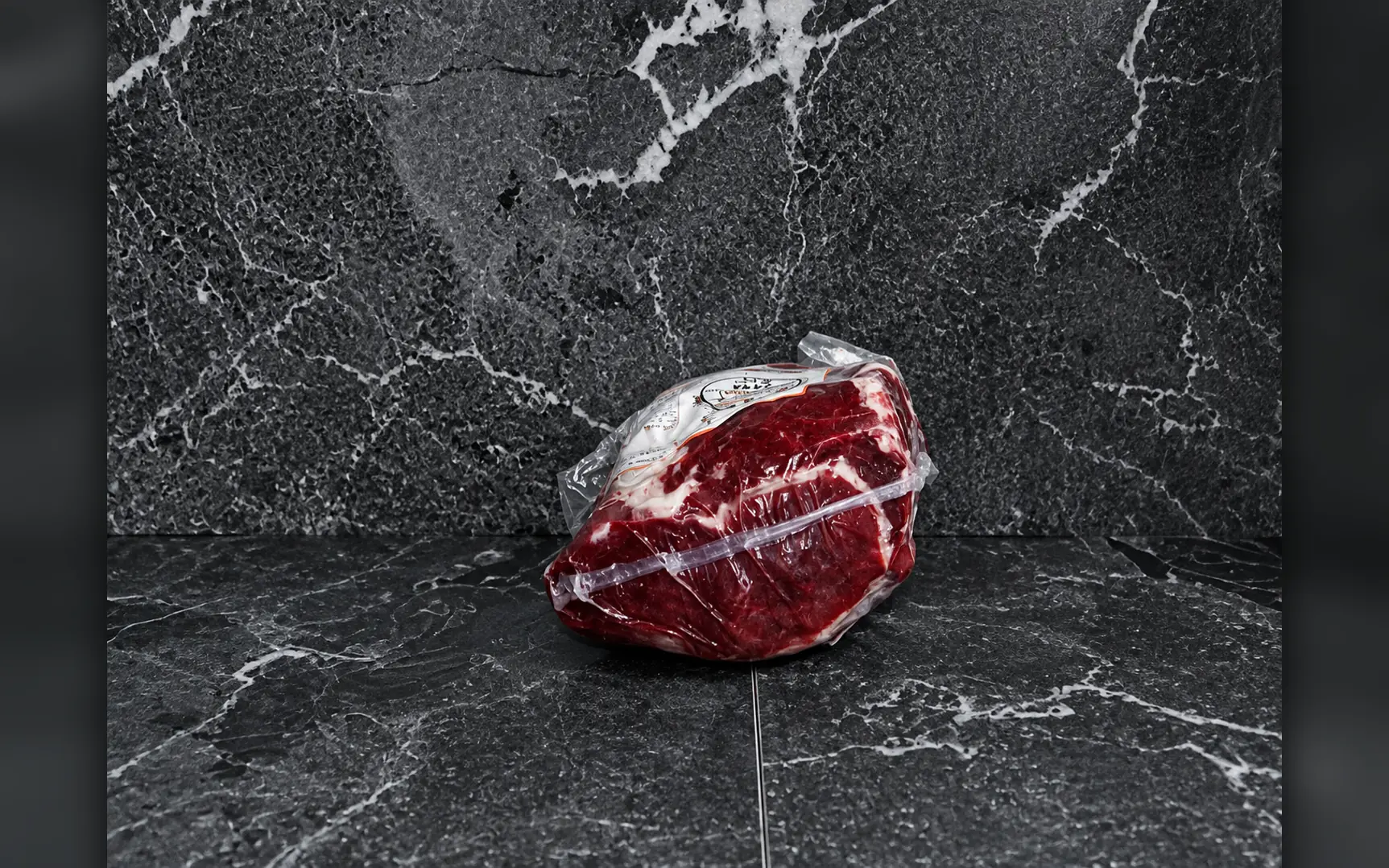
Ribeye comes from the back, from the rib section between the shoulder and the loin. These muscles barely work, so the meat is tender and the fat settles right between the fibres. That internal fat, the marbling, is what makes ribeye ribeye.
Cut through the primal and you see three parts. The eye: the large central muscle, firmer. The cap (spinalis): a thin muscle along the edge, the most tender and fattiest part of the steak and the one chefs prize most. Between them a seam of fat that melts during cooking and bastes the meat.
What ribeye is called around the world
| Name | Where it's used | What it means |
|---|---|---|
| Ribeye, Rib eye | USA, steakhouse menus | Boneless steak from the rib section |
| Cube Roll | Australia, import specs | Whole boneless ribeye primal |
| Entrecôte | France, classic menus | Steak from the rib section |
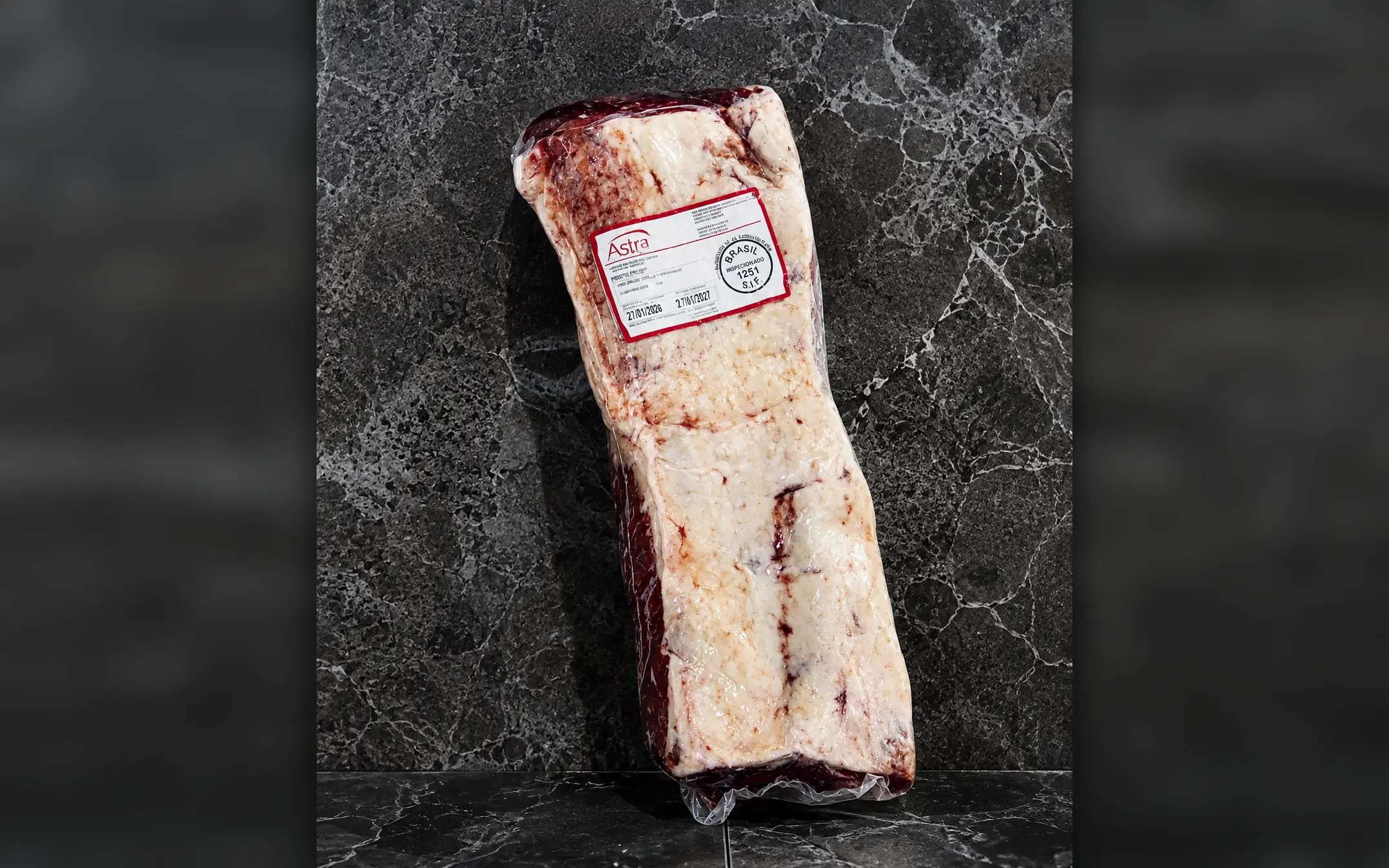
| Contrafilé de costela, ancho | Brazil, Argentina | Ribeye on the producer's label |
| Tomahawk, cowboy steak | Steakhouses | Ribeye on a long or short bone |
On a Brazilian label, plain contrafilé means striploin, not ribeye. Check the cut weight: a striploin is 2-3 times heavier.
All cut names in English and Brazilian Portuguese in one table.Glossary →
What makes a ribeye
- Breed. Angus gives more marbling; Nelore is leaner with a cleaner beef flavour.
- Feeding. Grain at the end of feeding adds fat inside the muscle.
- Trim. Plants trim fat and the cap differently, so the cut weight from two producers can differ twofold.
| Astra Foods | Frigon | |
|---|---|---|
| Breed | Nelore | Nelore & Angus |
| Marbling | Moderate, clean flavour | Higher, thanks to Angus |
| Cut weight | 1.2-1.5 kg | up to 3 kg |
| Portions of 250-300 g | 4-5 | 9-10 |
Astra Foods and Frigon ribeye: today's price per kg, cut weight, orders from 5 kg.Ribeye in the catalogue →
Which doneness for ribeye
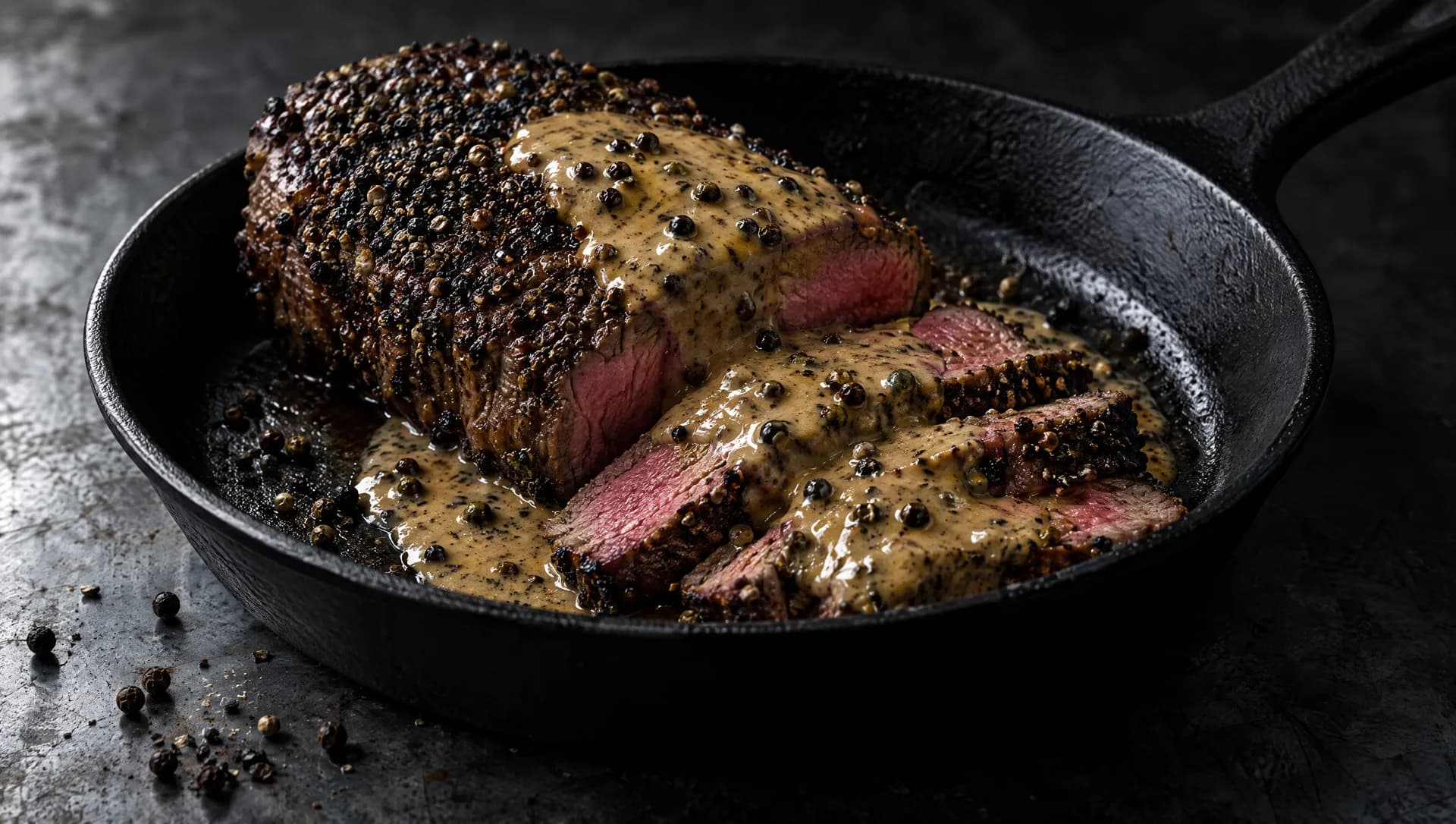
At rare the fat between the fibres stays waxy and gives no flavour. At medium rare (pull at 52-55 °C) it's already soft; at medium (57-60 °C) it melts completely while the meat is still pink. A well-marbled ribeye even holds medium well: the fat keeps it from drying out.
Temperatures for every level and how to use a probe.Doneness levels →
How to cook ribeye
A 3 cm steak at room temperature, salt before cooking, a very hot pan or grill, rest for 4-5 minutes. For thick steaks from 4 cm, reverse sear works better: oven first, then a quick crust. The three methods are covered step by step separately.
Grill, cast iron with butter and reverse sear, step by step.How to cook →
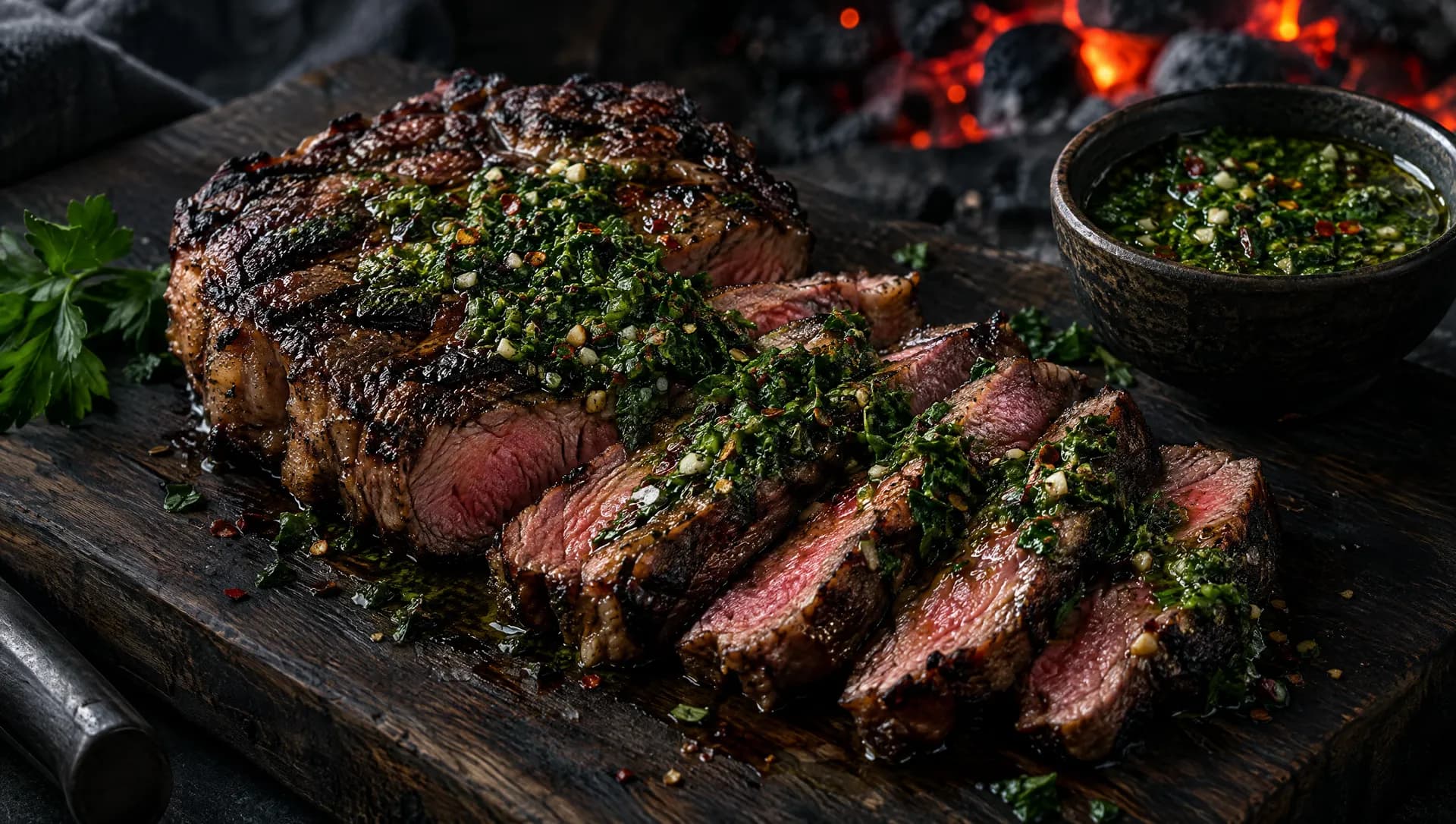
Ribeye cooked medium with green Argentinian sauce.Recipe →