Cuts
Beef Cuts Glossary: Ukrainian, English and Brazilian Names
Ribeye, striploin, tenderloin, eye of round, tongue, cheeks, trimmings: English and Brazilian names, carcass section, uses. Plus chain on/off, Swiss cut, CL.
5 min read · updated · MYASYA team
The same cut goes by different names on a Brazilian plant's price list, in an English-language specification and on a Ukrainian menu: ribeye is Ribeye, Cube Roll and contrafilé de costela all at once. Below is a cross-reference table for the items in our catalogue, plus an explanation of the terms that turn up in export documents: chain on/off, Swiss cut, CL, IQF, vacuum-packed and carton box.
Beef cut names: Ukrainian, English and Brazilian
English names follow international trade practice; Brazilian names are the ones you will usually see in export specifications and on labels. The carcass section is a guide only: trim boundaries vary from plant to plant, so the definitive reference is the cut weight on the product page.
| Our name | English | Brazilian (export) | Carcass section | Used for |
|---|---|---|---|---|
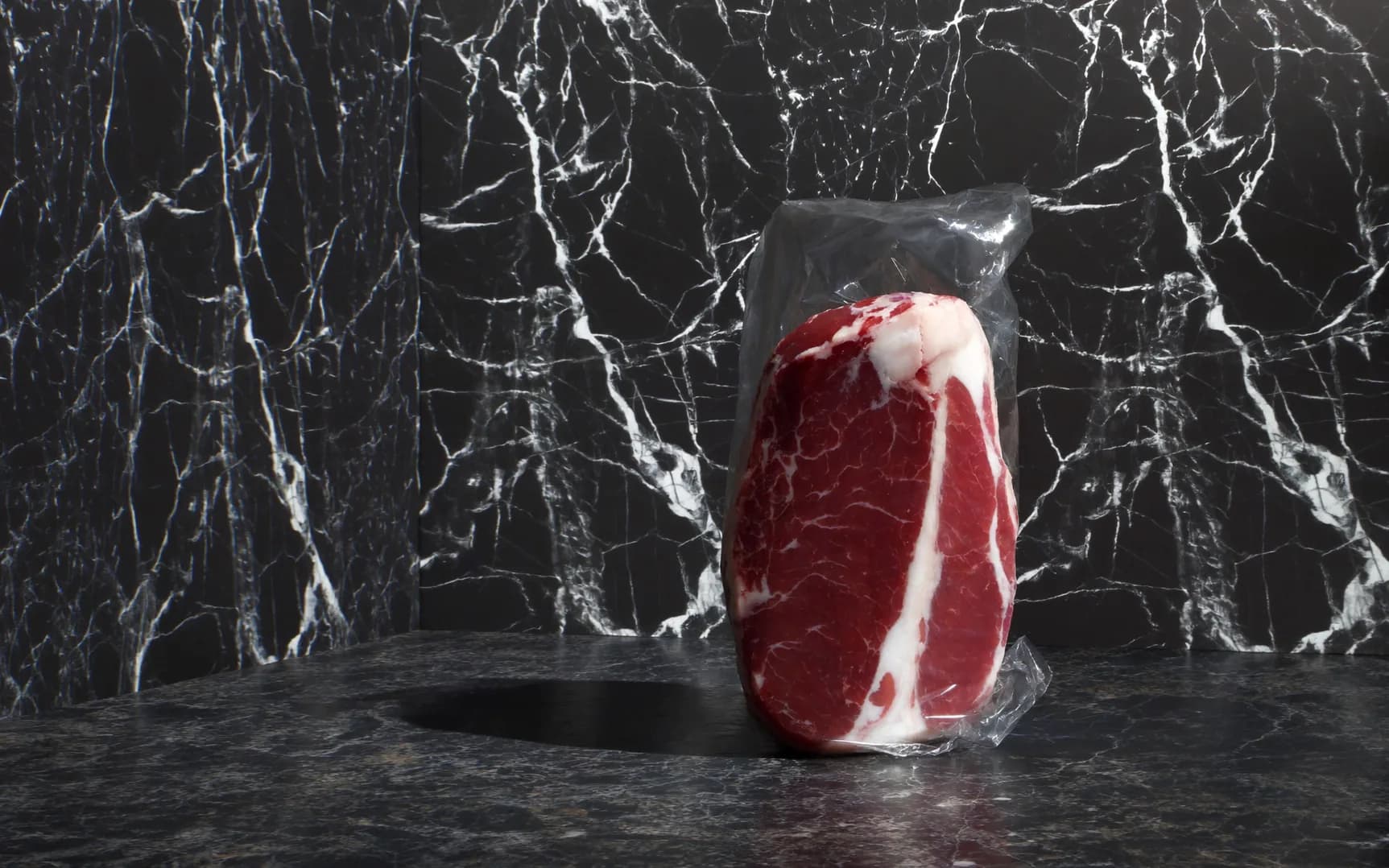
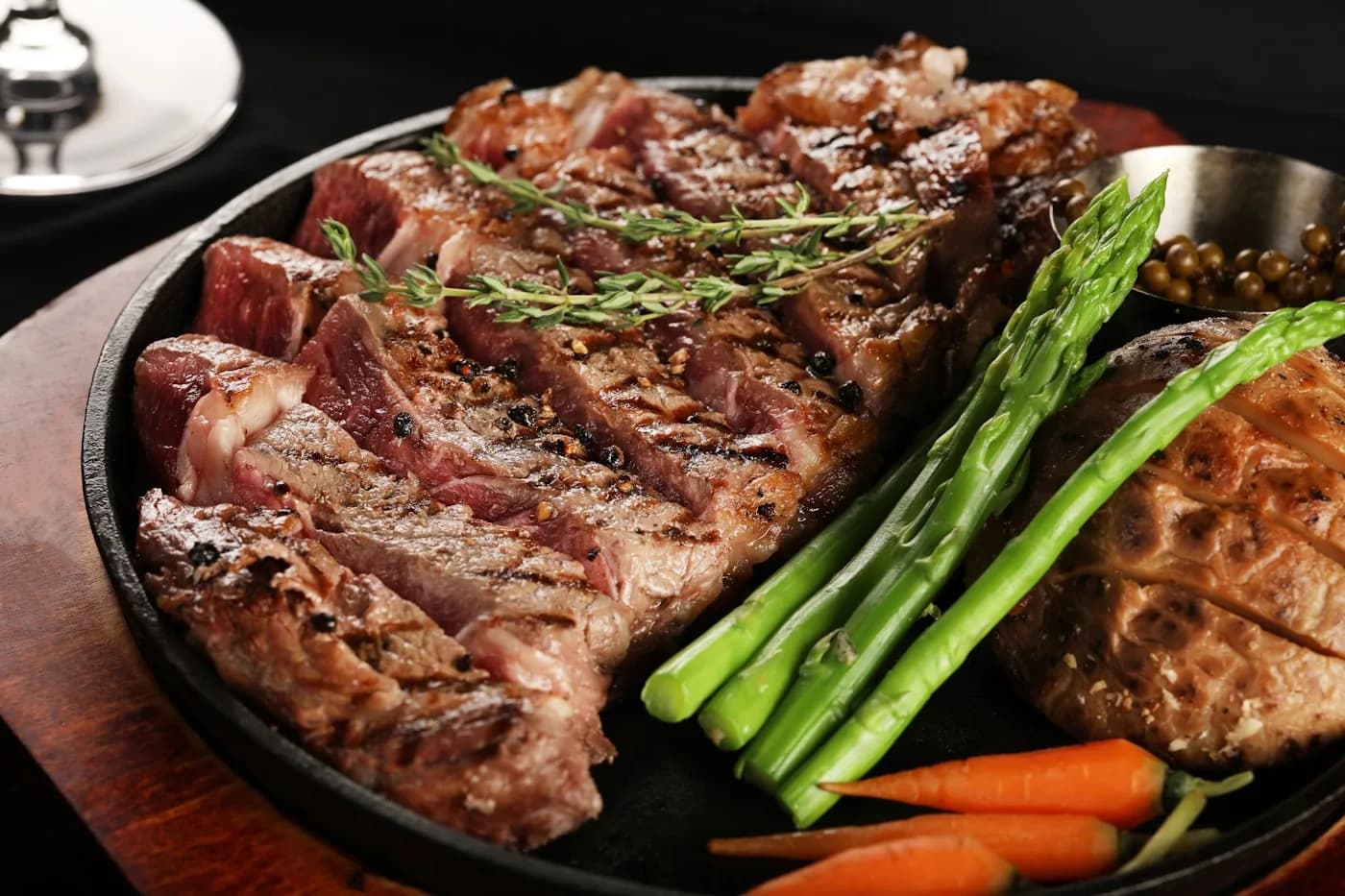
| Ribeye | Ribeye, Cube Roll | contrafilé de costela, “ancho” | Rib primal: the back along the ribs | Grilled and pan-fried steaks, the steakhouse classic |
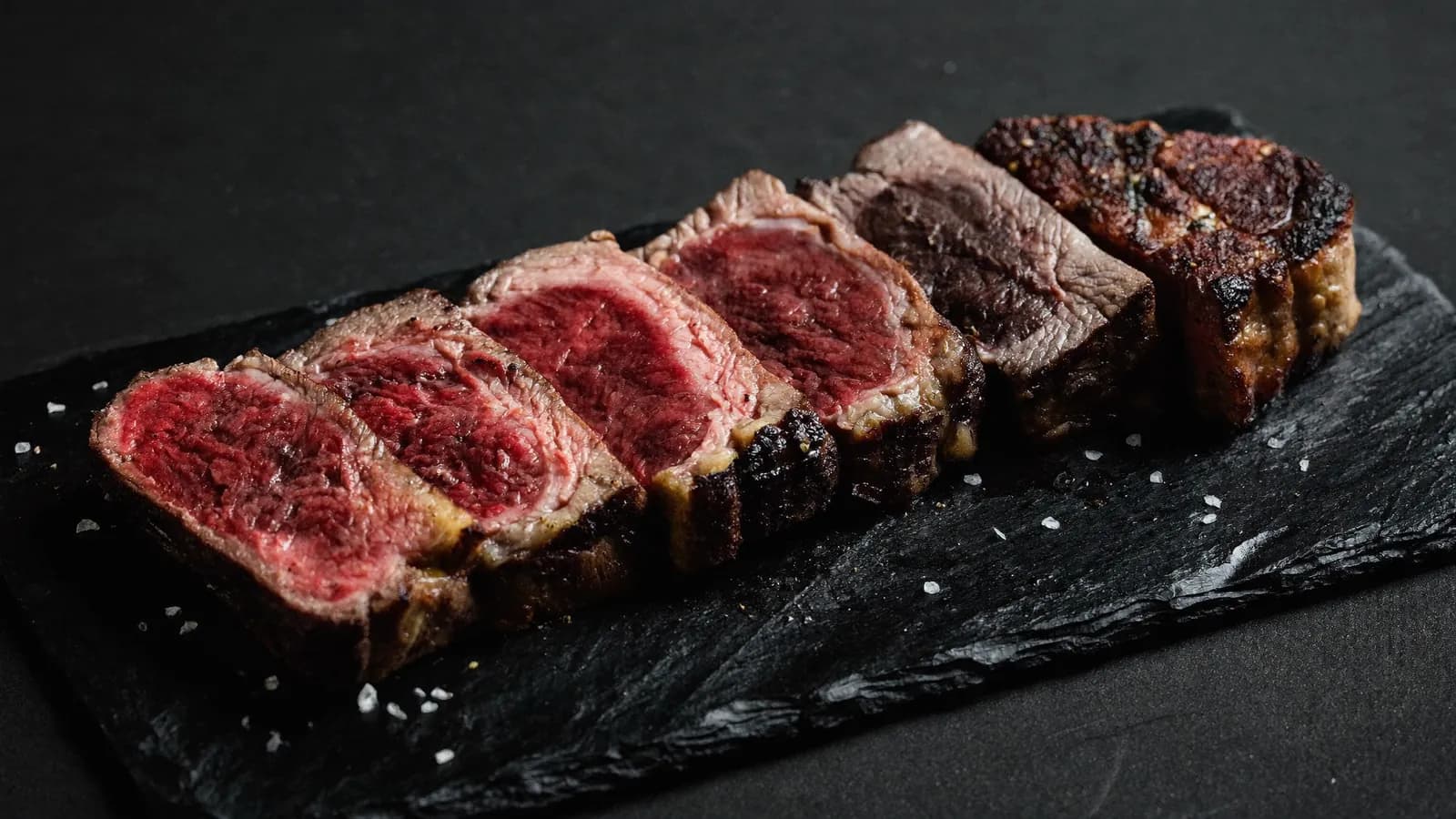
| Striploin | Striploin, NY Strip | contrafilé | Loin primal: the lumbar section behind the ribs | New York strip steak, portioned steaks with the fat cap left on |
| Tenderloin (filet mignon) | Tenderloin, chain on / chain off | filé mignon | Tenderloin: the muscle under the backbone, inside the carcass | Filet mignon, chateaubriand, carpaccio, tartare |
| Eye of round | Eye of Round | lagarto | Hind leg, outside round | Roast beef, thin slicing, dry-curing; lean raw material |
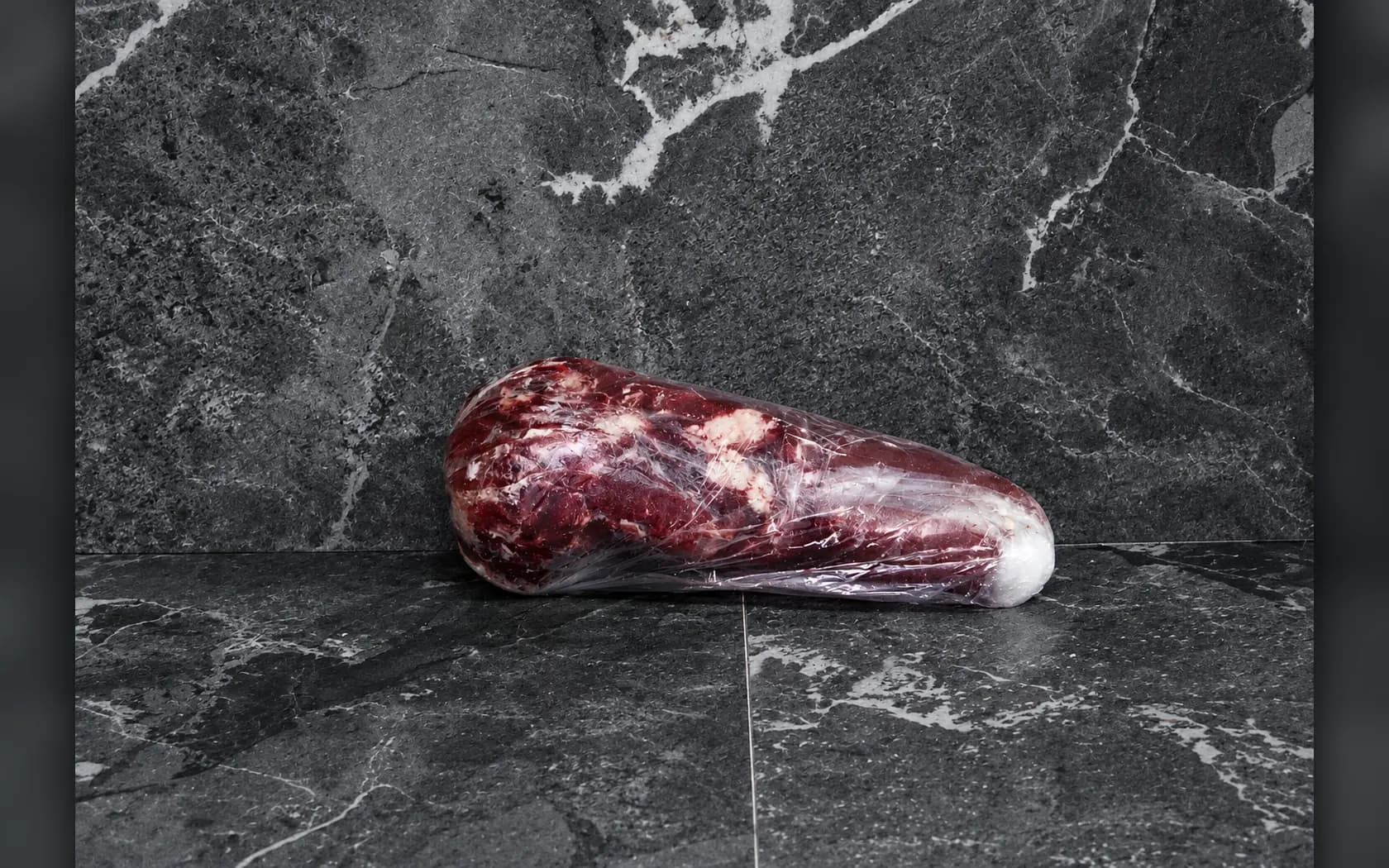
| Beef tongue | Beef Tongue, Swiss cut | língua | Head | Boiling, aspic, slicing, smoking |
| Beef cheeks | Beef Cheeks | bochecha | Head, chewing muscles | Slow stewing, braising, ragout |
| Beef liver | Beef Liver | fígado | Offal | Pâtés, liver products, pan-frying |
| Beef trimmings 70/30 | Trimmings 70/30, 70 CL | recortes 70/30 | Trim from various parts of the carcass | Mince, sausages, ready-to-cook products |
| Lean trim 90/10 (sangria) | Lean Trim 90/10, 90 CL | recortes 90/10 | Lean trim | Lean base for mince, lowering the fat content of a recipe |
| Industrial beef | Industrial Beef | carne industrial | Boneless meat from various parts of the carcass | Processing, cooked and smoked products |
Every item in the table, with today's prices, cut weight and minimum order.Open the catalogue →
Cube roll, contrafilé, eye of round: where the confusion usually starts
What is cube roll
Cube Roll is the Australian trade name for boneless ribeye: the same long back muscle from the rib section, with the “eye” and marbled streaks of fat. In Brazilian paperwork it appears as contrafilé de costela, and occasionally as ancho, a word borrowed from Argentine terminology. In our range it is the Astra ribeye (1.2–1.5 kg cut, Nelore breed) and the Frigon ribeye (up to 3 kg, with marbling from Angus genetics); the trim is different, which is why one weighs twice as much as the other.
Contrafilé: striploin or ribeye
On its own, contrafilé means striploin: the same back muscle, but from the lumbar section behind the ribs, with a fat cap around the edge. Add de costela and it is the rib section, i.e. ribeye. If a specification says only contrafilé, check the weight: Astra striploin is 4.5–5.5 kg, Frigon 3.5–4 kg, while ribeye is two to three times lighter.
What is eye of round
Eye of Round, lagarto in Brazil, is a uniform, cylindrical muscle from the hind leg. It is lean, with almost no intramuscular fat, so it is not a cut for quick, high-heat steaks: it goes into roast beef, thin slicing, carpaccio and dry-cured products, and processors take it as lean raw material with a predictable yield. In our catalogue it is Astra, 1.5–2.5 kg cut, from 10 kg, currently on request (back-order).
Tenderloin chain on and chain off: what the difference is
The chain, cordão in Portuguese, is a thin strip of muscle running along the side of the tenderloin. Chain on means the tenderloin arrives with it attached; chain off means it has been removed. The main muscle is the same in both cases; the difference lies in the trim and in what exactly you are paying for.
- Chain on: a heavier cut, and part of the trimming falls to the kitchen; the sinewy strip goes into stock, sauces or mince.
- Chain off: less waste in the kitchen and a higher portion yield per kilogram; as a rule the price per kilogram is higher in this format, because you are paying for the main muscle only.
- The Astra tenderloin product page lists both formats; 1.5–2.7 kg cut, minimum order 5 kg.
Astra tenderloin, chain on or chain off, from 5 kg.Tenderloin in the catalogue →
Specification terms: Swiss cut, CL, IQF, vacuum-packed, carton box
A few terms that appear on invoices and labels, and that you and your supplier should read the same way.
- Swiss cut: a short-trimmed tongue, with the hyoid section and adjoining throat tissue removed, leaving only the body of the tongue. This is how our tongue comes: Astra 1–1.5 kg with the producer's halal certificate, Frigon 600–800 g, carton box 20–22 kg.
- CL, chemical lean: the share of lean meat in trimmings as determined by chemical analysis. 90 CL means 90% muscle tissue and 10% fat, which is the same as a 90/10 label. Lean trim 90/10 is the lean grade; beef trimmings 70/30 are fattier, for recipes that need the fat.
- IQF, individually quick frozen: each piece is frozen separately rather than in a single block, so the product stays free-flowing and you can take just the quantity you need from the carton box. The term applies to portioned items; it is not normally used for whole vacuum-packed cuts.
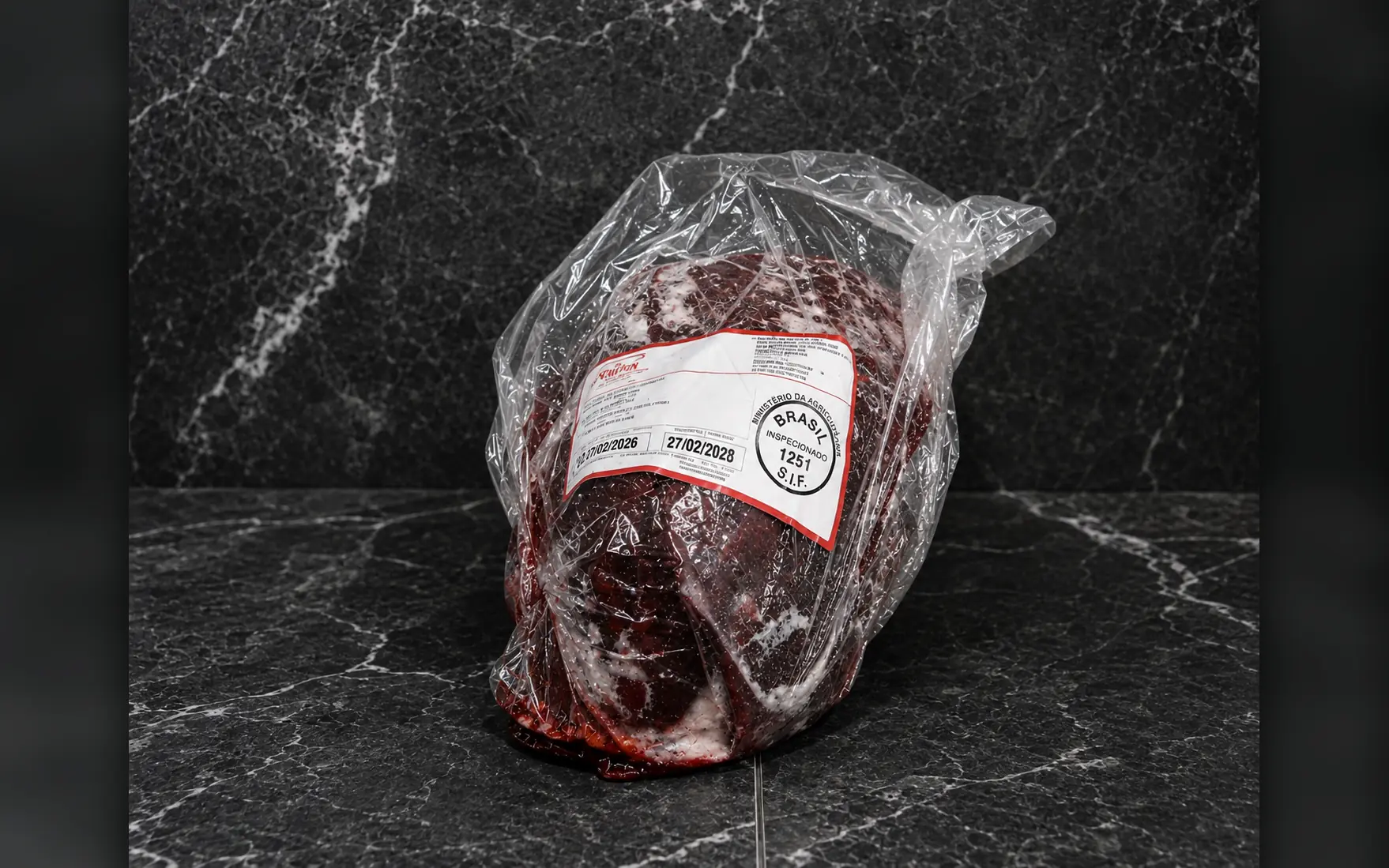
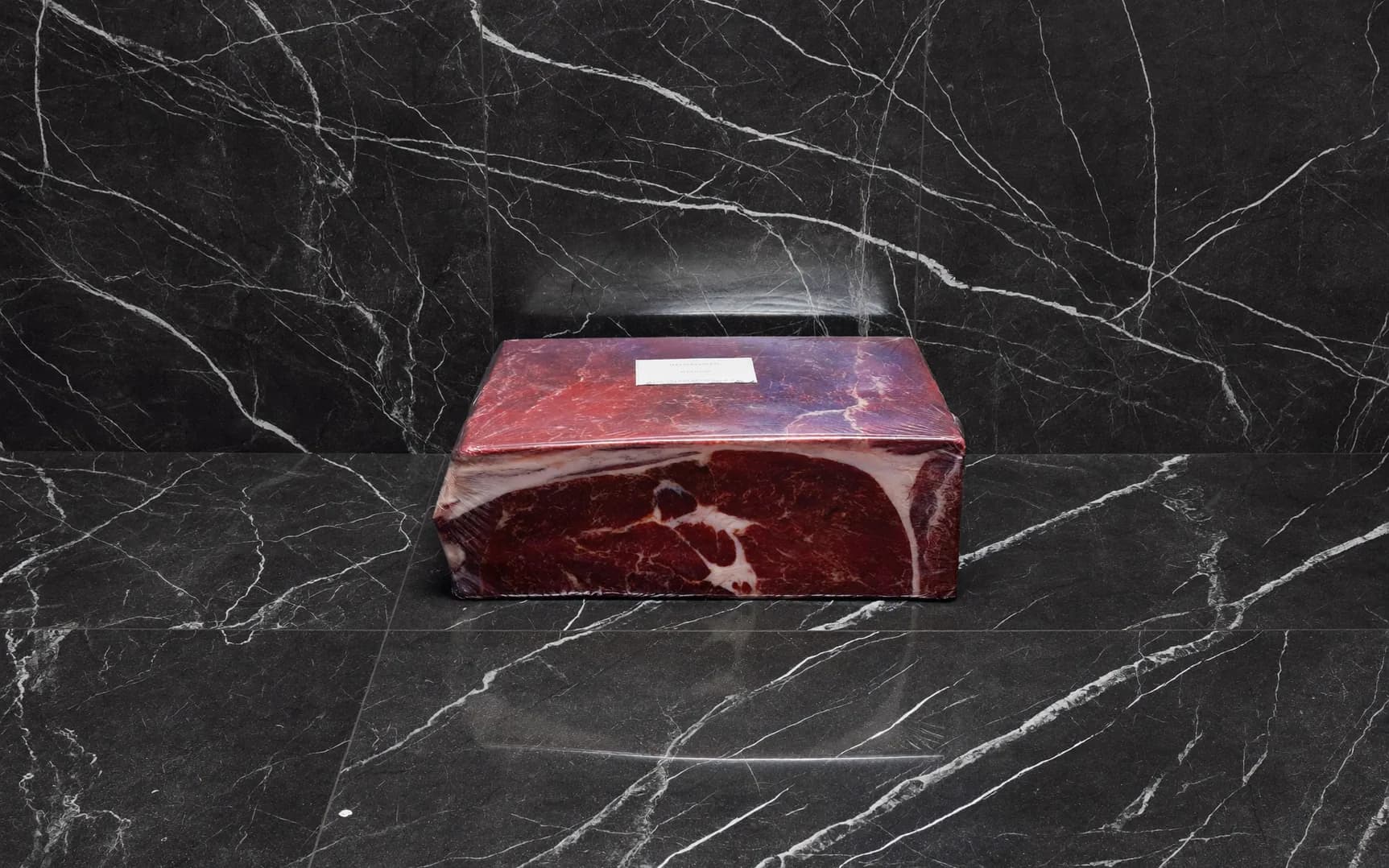
- Vacuum-packed: the cut is sealed in film with the air drawn out. That way it does not dry out at −18 °C and does not get freezer burn. Our cuts and tongue come vacuum-packed, liver in a carton box or vacuum-packed, trimmings in carton boxes.
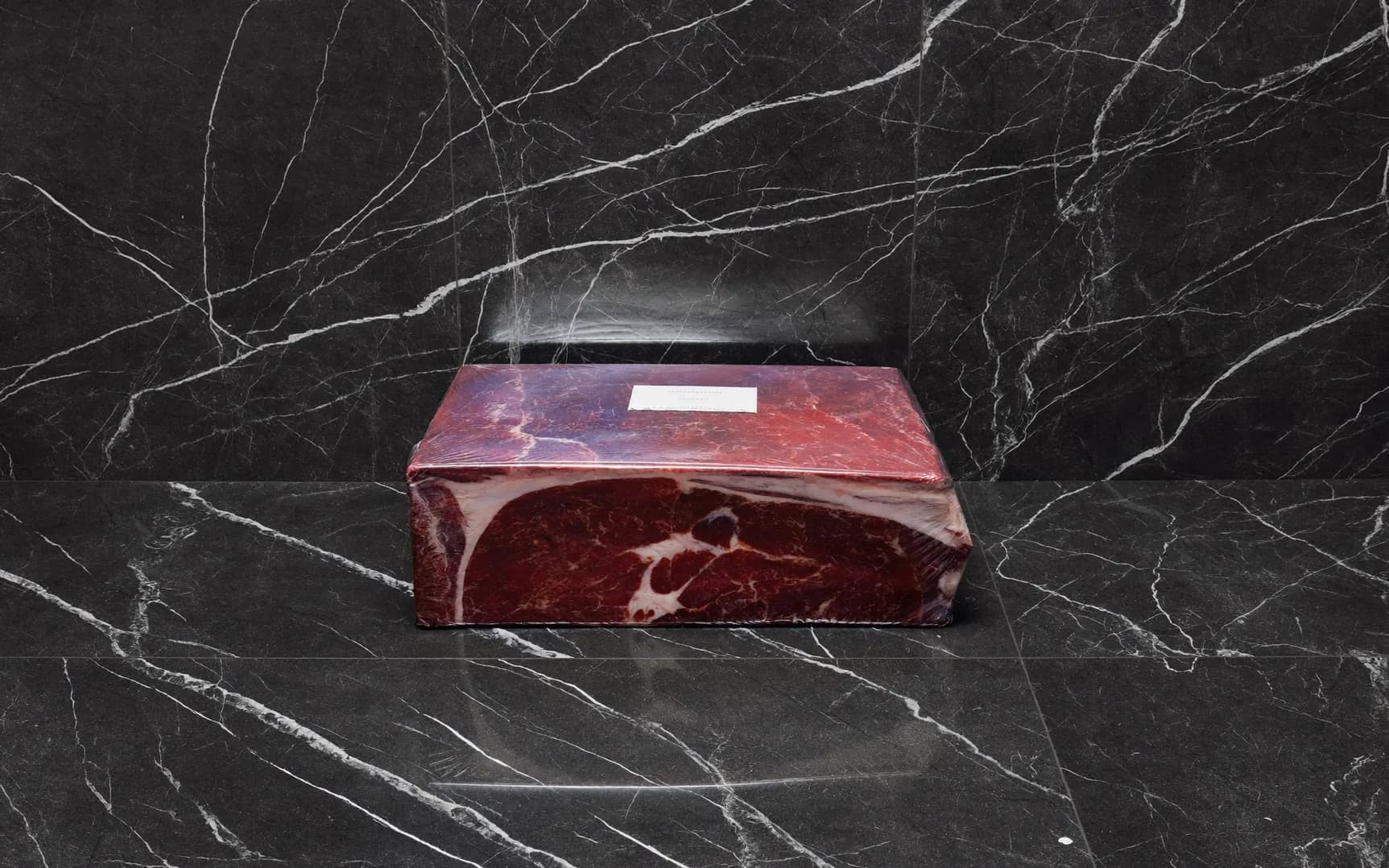
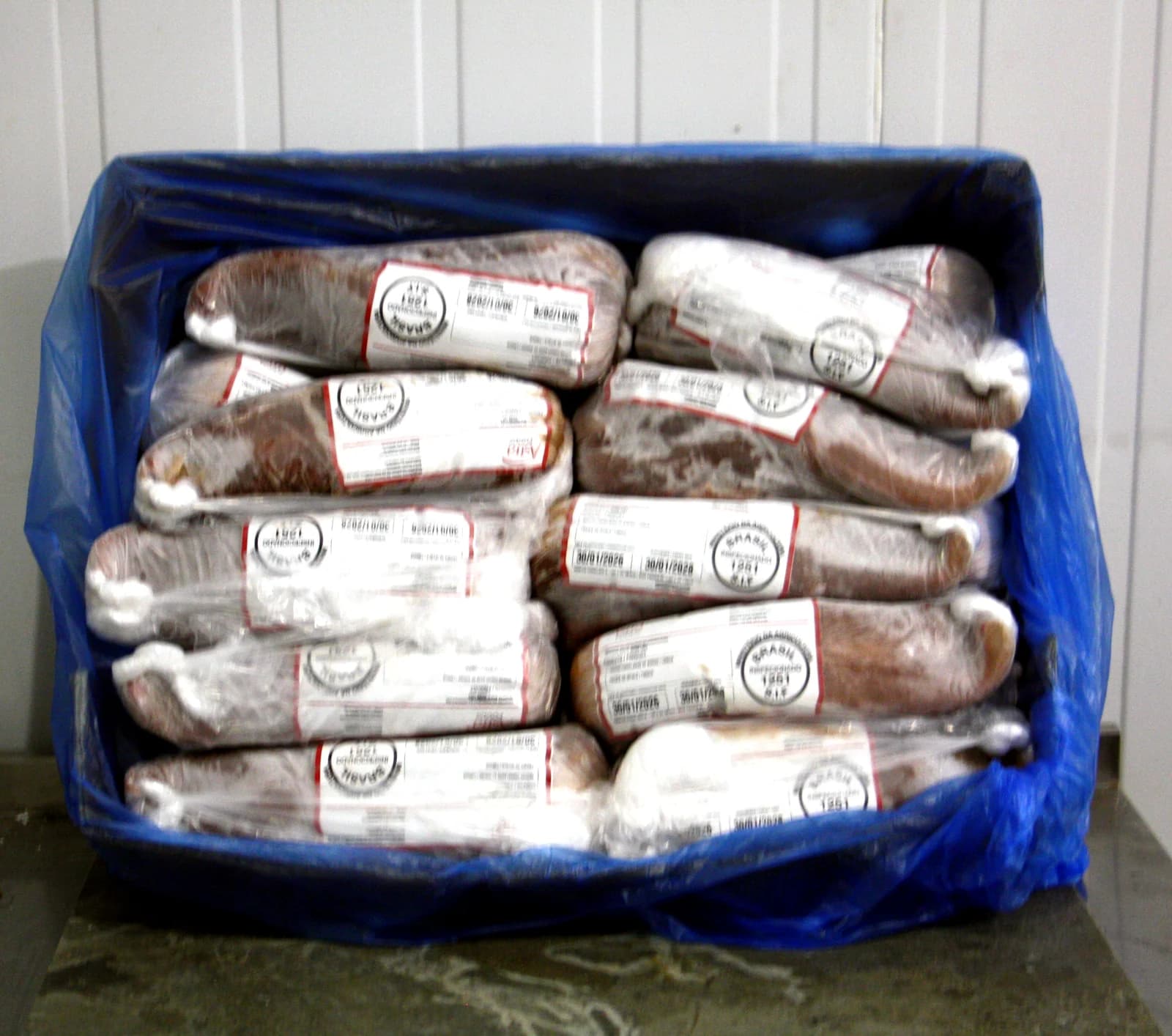
- Carton box: the corrugated cardboard box in which cuts or trimming blocks leave the warehouse. It is also the shipping unit: we send by Nova Poshta from a single box.
Trimmings, lean trim and industrial beef for production, in batches from 50 kg.Raw material for processing →
How to use the glossary when ordering
In the cart on the website and in the Telegram bot, items are named as in the first column of the table, so there is no need to look for them under English or Portuguese names. The Brazilian column comes in handy when you are reading a producer's specification or comparing offers from different suppliers: contrafilé on a price list and “striploin” on a menu are one and the same cut.
The catalogue shows today's prices; once you order, the price per kilogram is locked in, and we confirm the total after we weigh the batch. All beef is frozen and stored at −18 °C, documents come with every batch, and goods go out by Nova Poshta across Ukraine or by pickup from our warehouse in Mykolaiv.
Shipping, pickup and payment terms for business and retail buyers.Delivery and payment →