Origin
The Nelore Breed and 70/30 Feeding: How Brazilian Beef Differs from Angus
Nelore is a zebu-type Bos indicus breed: how its texture and flavour differ from Angus, why 70/30 feeding matters, how to read the SIF stamp and what it.
5 min read · updated · MYASYA team
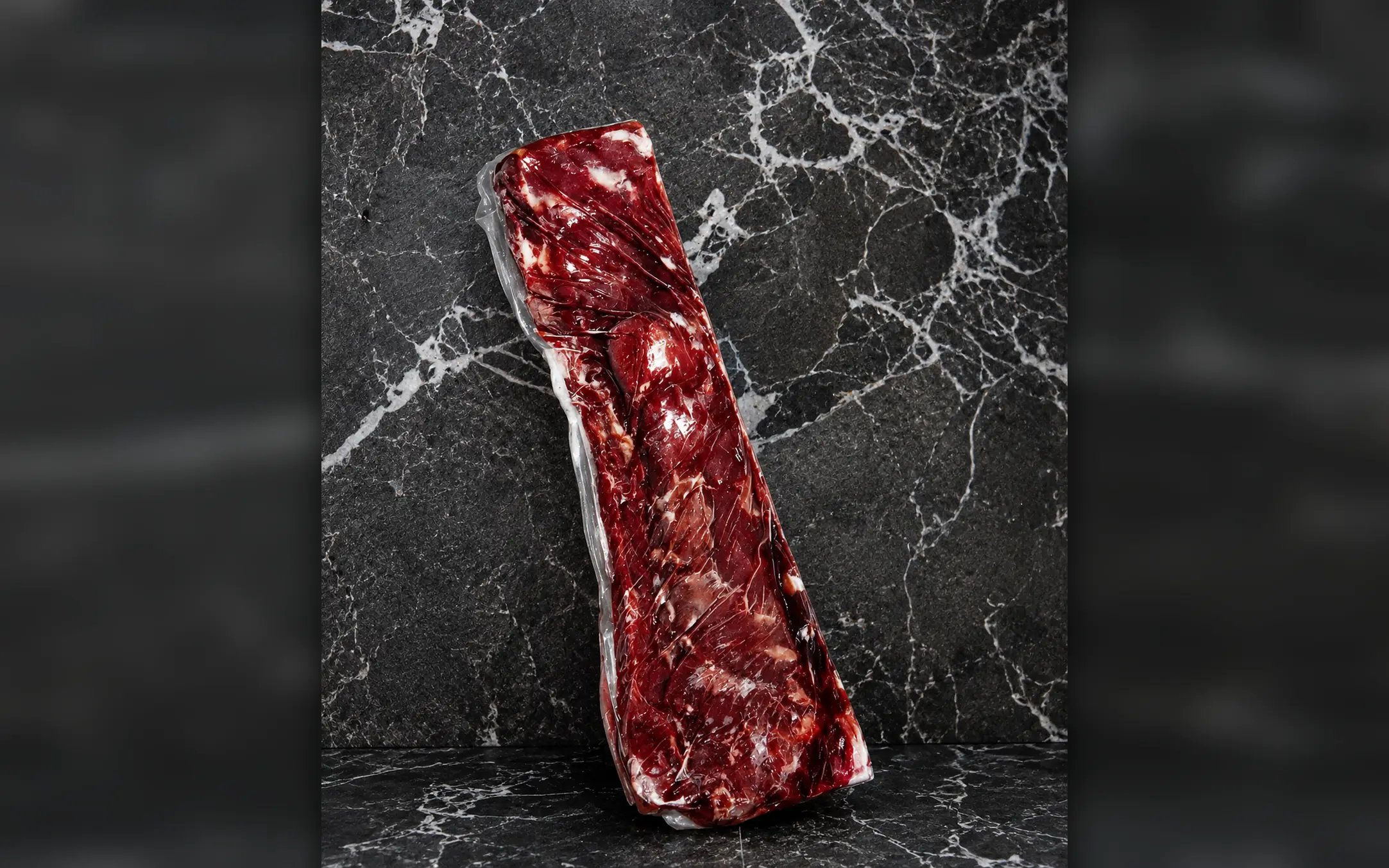
Nelore is a zebu-type Bos indicus breed that accounts for most of the Brazilian herd, and it is the breed we import from Astra Foods: fed 70% grass / 30% grain. The difference from Angus is not a matter of better or worse but of character: less intramuscular fat, a denser texture and a cleaner beef flavour. For a restaurant in Ukraine, that means a predictable cut format and a character of meat you can set the menu up for once.
What Nelore is
Nelore descends from the Indian Ongole breed, brought to Brazil in the 19th century and then selected for the local climate. It is Bos indicus: humped cattle with a short pale coat, loose skin and well-developed sweat glands. That build is what matters most: the animal tolerates tropical heat and humidity with ease, suffers less from ticks and parasites, and can live on pasture all year round without expensive barns.
- Bos indicus, not Bos taurus: Angus, Hereford and Simmental are the European branch; Nelore is the Asian, zebu-type branch.
- Year-round pasture: most of Brazil has no winter in the European sense, so the cattle stay on grass.
- Matures later and lays down fat more slowly than British breeds, so the grain finish at the end matters.
- The carcass typically carries a thinner layer of subcutaneous fat and less marbling at the same weight.
These traits are above all about production economics: a herd that does not suffer in the heat and lives on grass is cheaper to keep, and that is what Brazilian exports are built on. But the same build also shapes the character of the meat.
Nelore vs Angus: texture and flavour
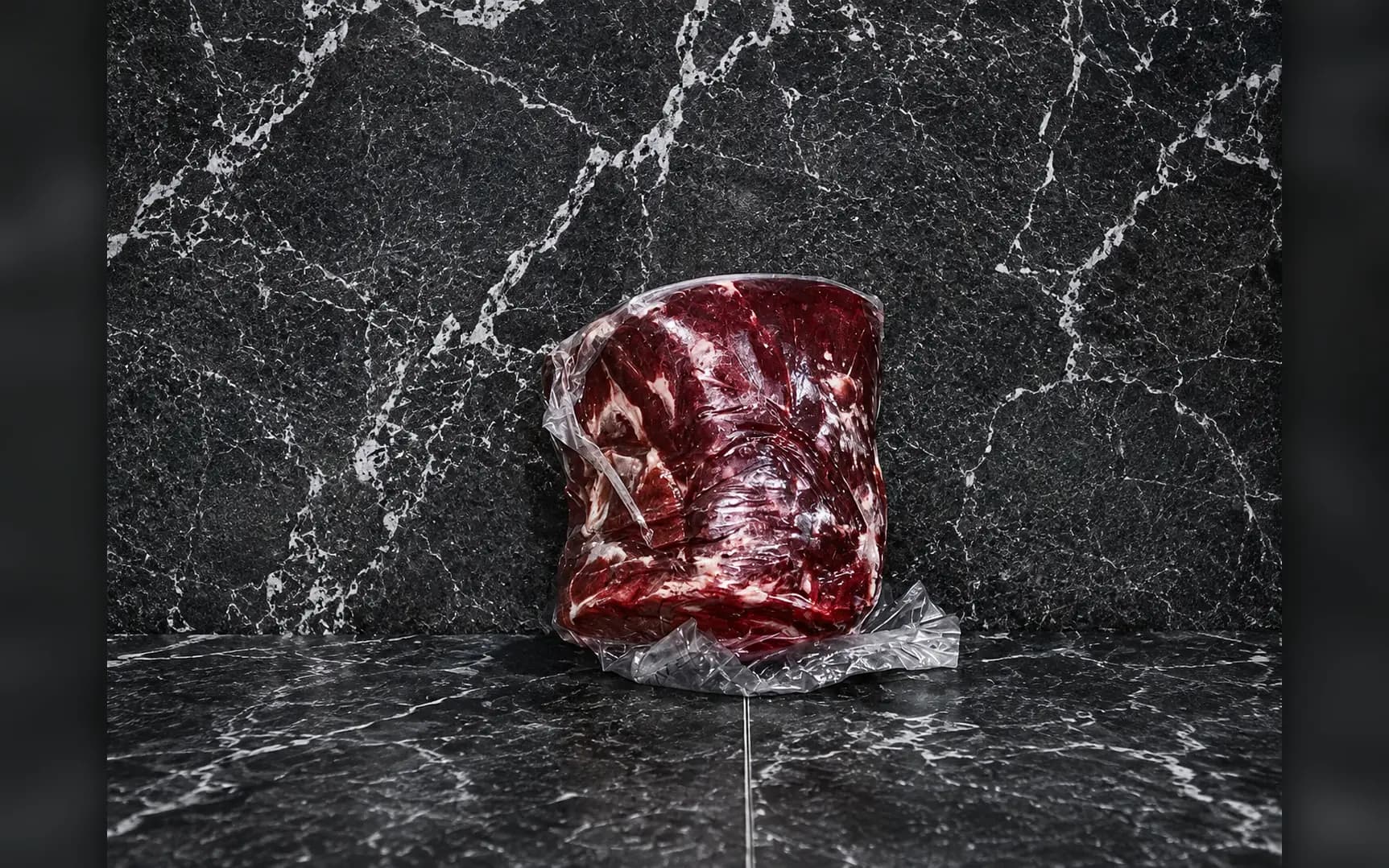
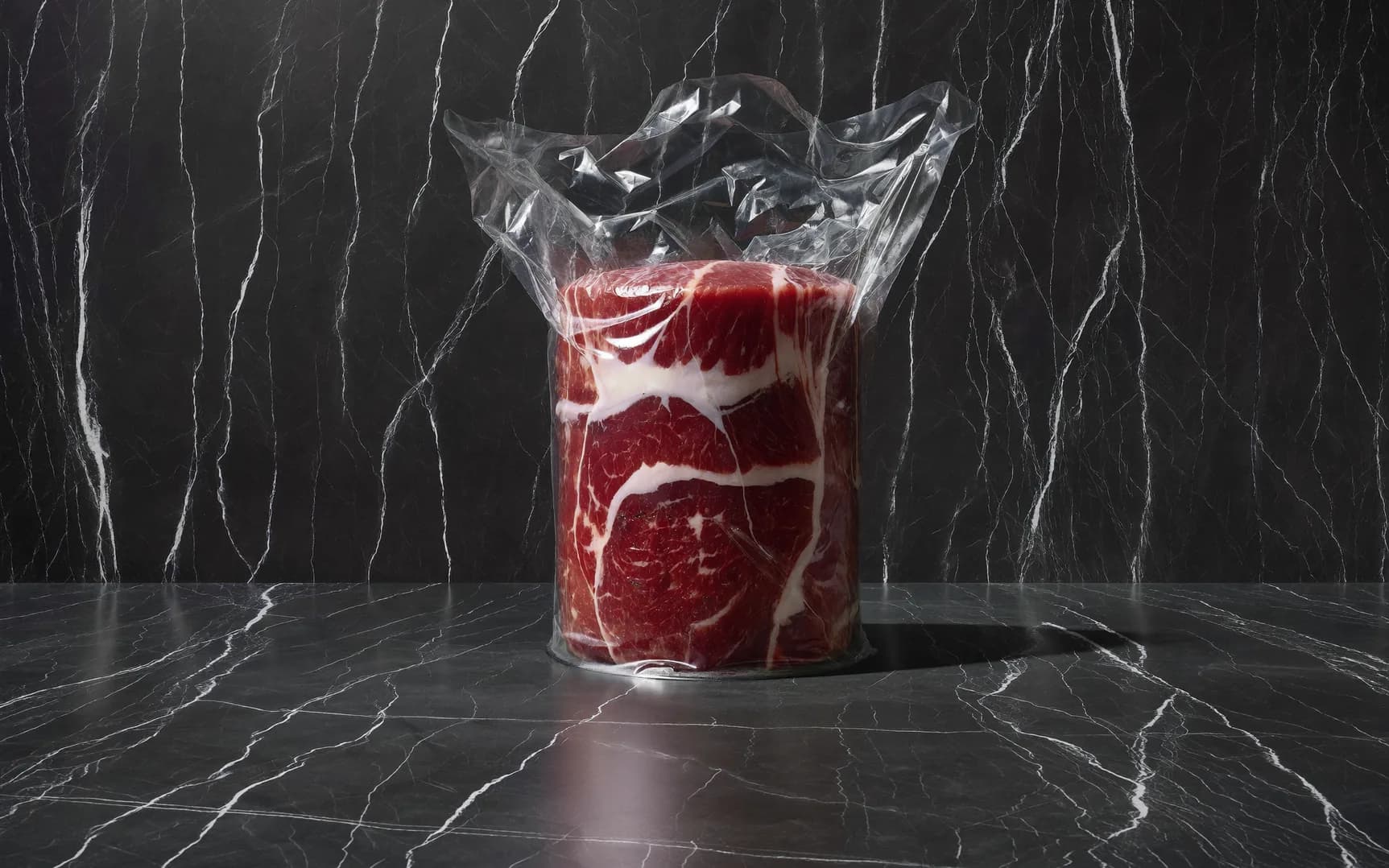
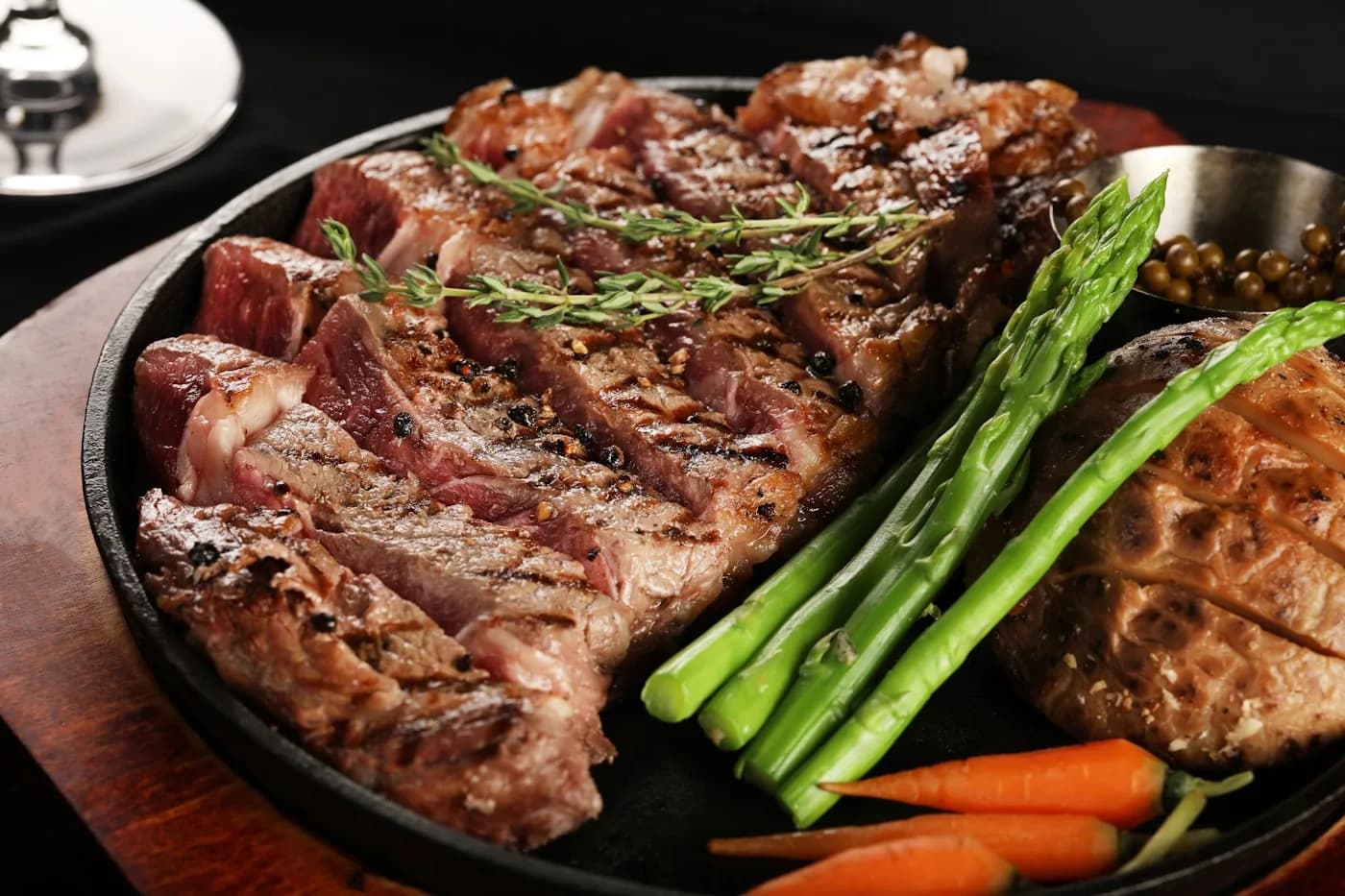
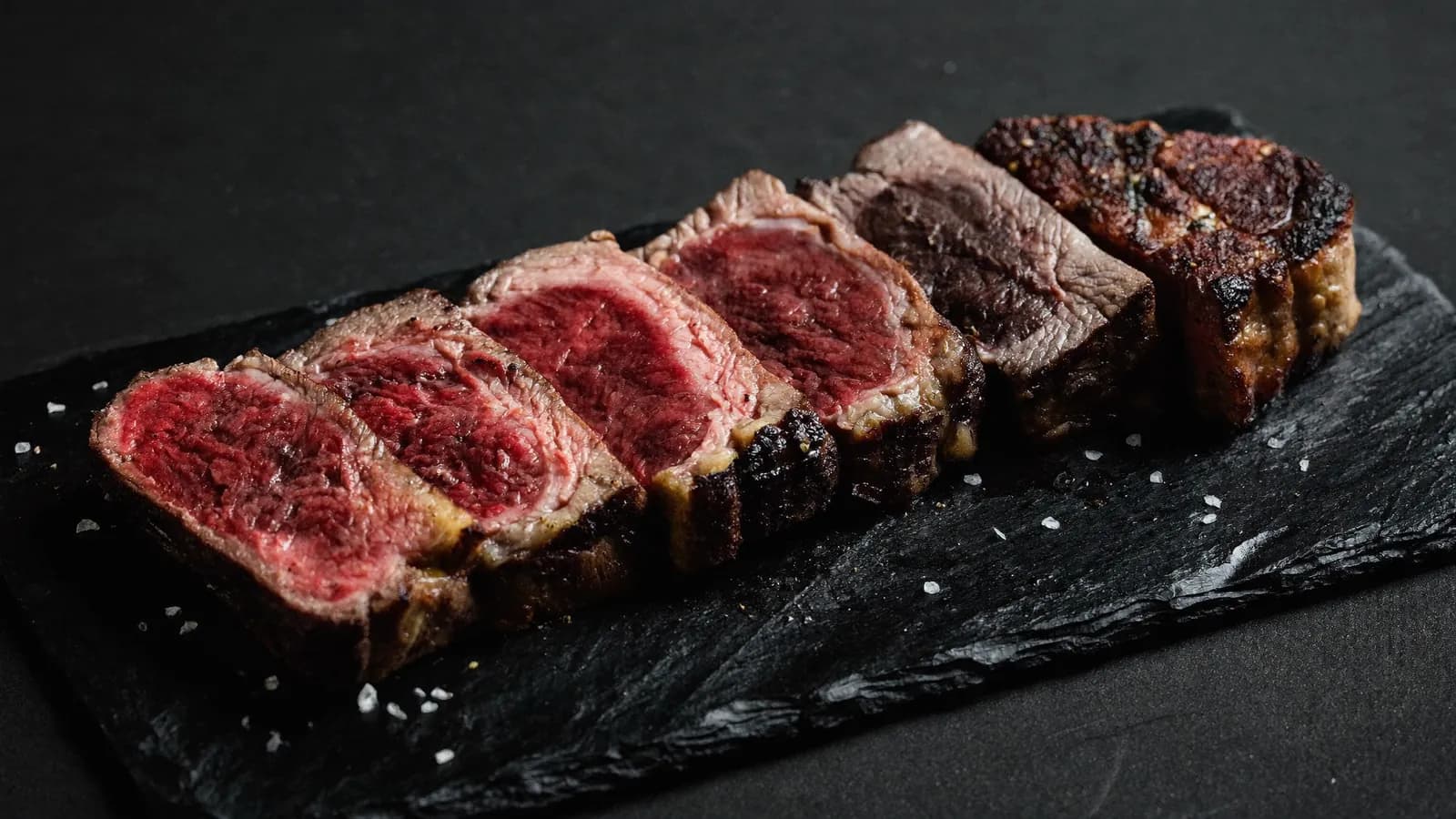
Angus is the classic British Bos taurus breed, genetically inclined to lay down fat inside the muscle. Hence the marbling, the creamy flavour and a tenderness that forgives an extra minute on the grill. Nelore stores its fat mainly on the outside and between the muscles, so the cut surface looks more uniform and redder, and the grain is tighter.
On the palate it reads as a cleaner, more 'beefy' beef without the heavy fatty note. Nelore's texture is springier: the steak holds its shape and gives a distinct chew rather than melting. That is why three things generally matter with zebu-type breeds: a grain finish, post-slaughter ageing and a doneness of no more than medium.
| Nelore (Astra Foods) | Angus cross (Frigon) | |
|---|---|---|
| Breed | Bos indicus, zebu | Crossbred, more marbling from the Angus side |
| Marbling | Less than Angus; more pronounced fat cap | More, from the Angus side |
| Texture | Denser, springy, distinct grain | Softer, closer to a familiar marbled steak |
| Flavour | Clean beef, no heavy fatty note | Creamier, more fat on the palate |
| Ribeye in the catalogue | 789 ₴/kg, 1.2–1.5 kg cut | 695 ₴/kg, cut up to 3 kg |
What this means on the grill
Do not take a Nelore ribeye past medium: with less internal fat, the steak loses its juices faster. The upside is fewer flare-ups from dripping fat over an open flame. The more marbled Frigon cut will feel more familiar to a cook who has worked with Angus, and it is easier to rescue if a guest asks for well done.
Astra (Nelore) and Frigon (Angus cross) ribeye — both in the catalogue with today's prices.View ribeye →
70/30 feeding: why grass with a grain finish gives a consistent result
The grass-fed versus grain-fed argument usually comes down to extremes. Purely grass-fed beef is leaner, with yellowish fat from carotene and a grassy, mineral flavour, but it depends heavily on the season and the state of the pasture. Purely grain-fed beef from a feedlot is more marbled, with white fat and a milder flavour, but it is generally dearer and, many would say, blander.
The 70/30 scheme takes what a restaurant needs from both. The base of the diet is pasture: it is cheap and gives that same clean beef flavour. The grain share generally comes in the final stage of feeding, which is when the fat cap evens out, the fat lightens and the cut reaches a predictable weight. For the producer, that means a carcass less dependent on the season; for us, a clear cut format, which is what we list in the catalogue.
- Cut size. The Astra ribeye in the catalogue is a 1.2–1.5 kg cut, convenient for portioning with no 'tails' left over.
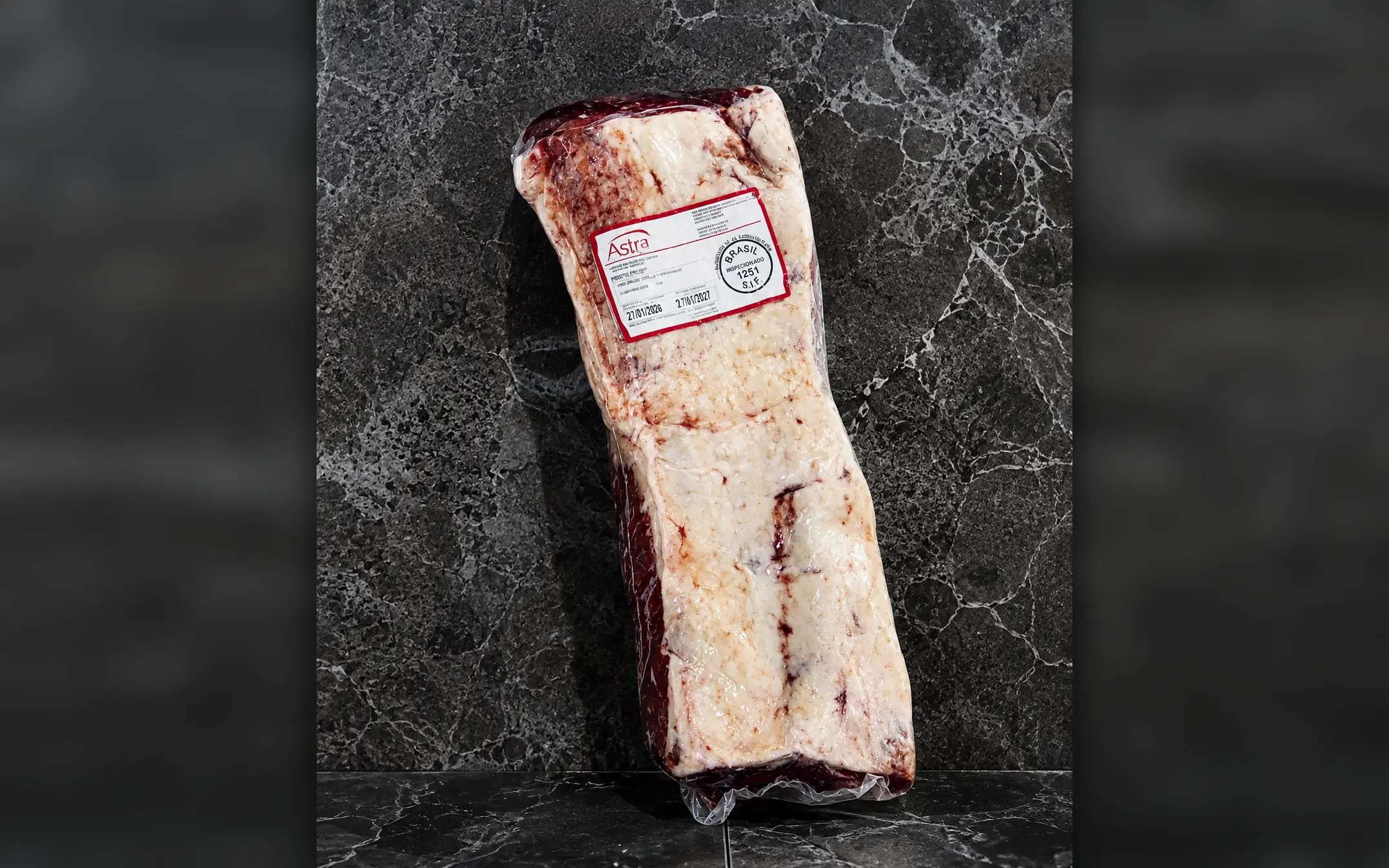
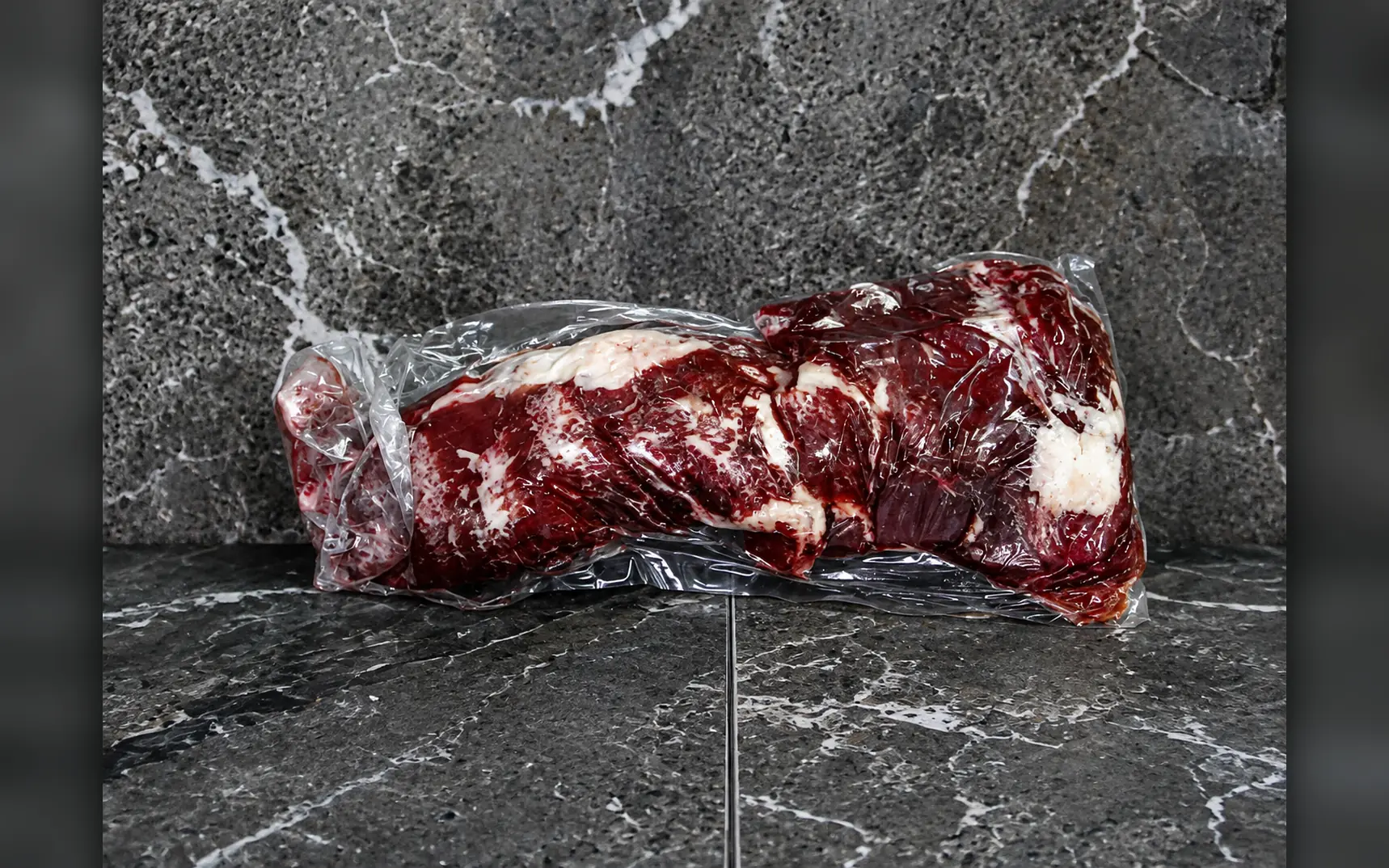
- Fat cap. A grain finish generally gives an even layer around the perimeter, visible through the vacuum pack.
- Colour. Grain-finished beef has lighter fat and evenly red meat, without the seasonal yellowing of the fat.
- Repeatability. One breed, one producer, one diet: the menu does not need rewriting for every batch.
How to read the SIF mark on Brazilian packaging
SIF stands for Serviço de Inspeção Federal, the federal inspection service under Brazil's Ministry of Agriculture. Every meat plant licensed to export operates under its own SIF number, and that number appears in a stamp, usually oval, on the carton box and on the vacuum-pack label. In effect it is the state's signature: the product was made at a plant under federal veterinary control.
- The SIF number on the carton box and on the vacuum-pack label: check that they match.
- The cut name, usually in Portuguese and English: Contrafilé is striploin, Filé mignon is tenderloin, Lagarto is eye of round. Go by the English name.
- Production date, best-before date, batch or lot number.
- Storage temperature and net weight, for checking against the delivery note.
The SIF stamp does not guarantee flavour; it guarantees origin and control. But the number does tell you which plant a cut came from. We import directly from Astra Foods and Frigon, with no intermediaries, so the stamp makes it easy to confirm that a cut came from exactly those plants.
Why Brazil, and what it means for a restaurant in Ukraine
Brazil is the world's largest beef exporter, and the reason is geography, not marketing: a tropical climate, grass all year round, a large herd of zebu-type breeds and industrial plants built for export. Production there is large-scale and standardised, so the cut format from a single plant is generally predictable.
For a Ukrainian kitchen this comes down to three practical things. First, consistency: this month's batch of Astra ribeye and next month's come from the same producer, the same breed and the same diet. Second, price: a pasture-based diet generally makes Brazilian beef more affordable than fully grain-fed beef in a comparable cut format. Third, freezing: Brazilian export beef generally travels to distant markets frozen, by container, and that is the standard rather than a compromise.
Frozen at −18 °C and how to work with it
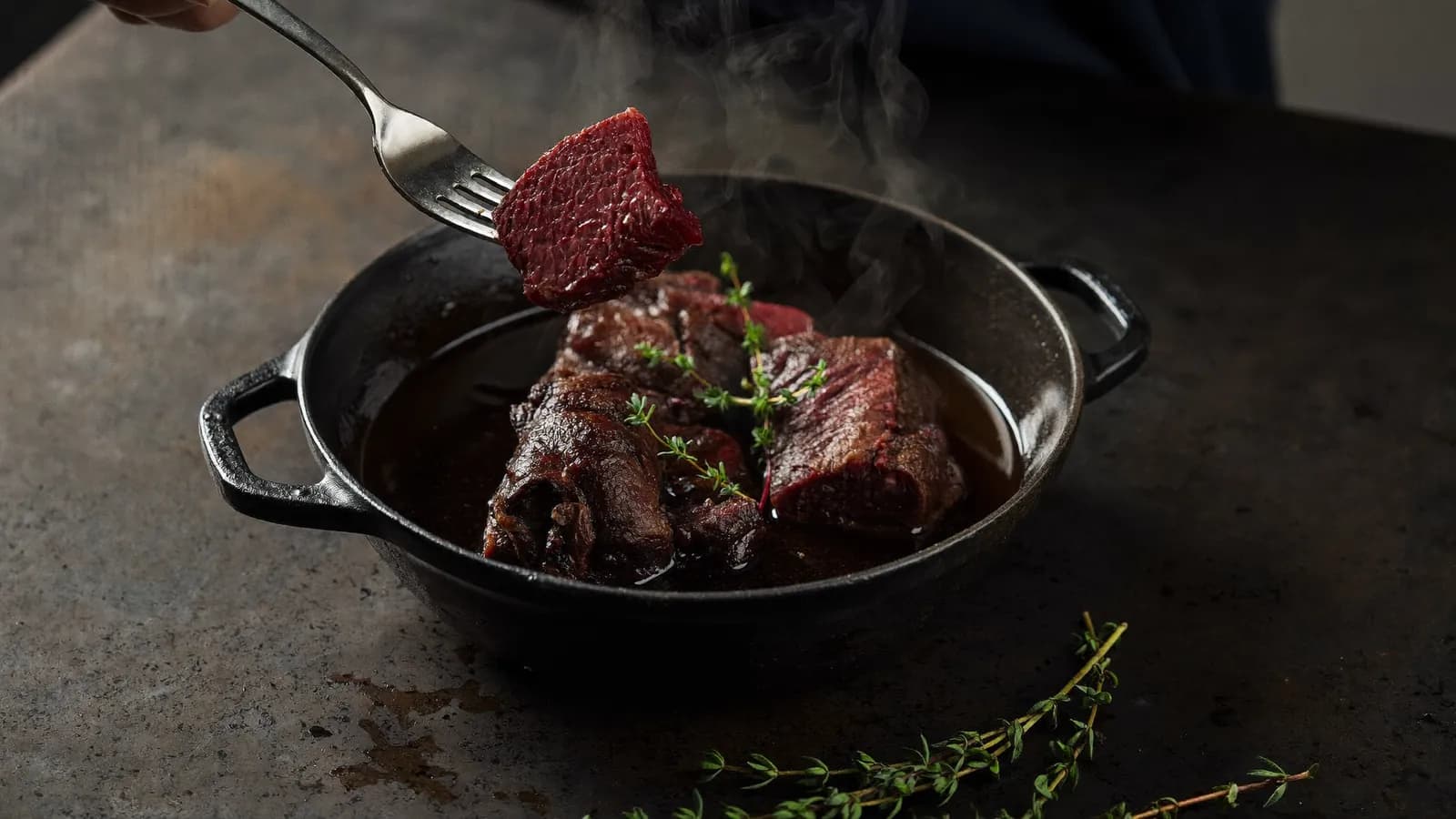
Freezing at the plant, vacuum-packed, keeps the moisture in the muscle rather than at the bottom of the carton box. We control the cold chain ourselves: the beef is stored at −18 °C at our warehouse in Mykolaiv and then goes out by Nova Poshta in batches from a single carton box. In the kitchen, thaw it in its vacuum pack in the cold room, usually one to two days depending on the weight of the cut, and never in water or at room temperature: that is what preserves the Nelore texture.
How we control the cold chain and why we work without intermediaries — on the company page.About MYASYA →
| Astra Foods steaks (Nelore) | Price, ₴/kg | Cut weight | Minimum order |
|---|---|---|---|
| Ribeye | 789 | 1.2–1.5 kg | 5 kg |
| Striploin | 598 | 4.5–5.5 kg | 5 kg |
| Tenderloin (filet mignon) | 960 | 1.5–2.7 kg | 5 kg |
| Eye of round (on request) | 578 | 1.5–2.5 kg | 10 kg |
Prices are as of today; once you order, the price per kilogram is locked in, and we confirm the total after we weigh the batch. Everything is frozen and vacuum-packed; documents with every batch. Payment is 100% prepayment by bank transfer; legal entities receive a full document package, and regular customers can arrange deferred payment by agreement.
All Astra and Frigon steaks — ribeye, striploin, tenderloin — with cut weights and minimum orders.Steak catalogue →
Terms for restaurants: orders from 5 kg, Nova Poshta from a single carton box, pickup from our warehouse in Mykolaiv.For restaurants →